Genuine organic cotton indigo fabric, 2m
Product code 150-55-0002-R (2)
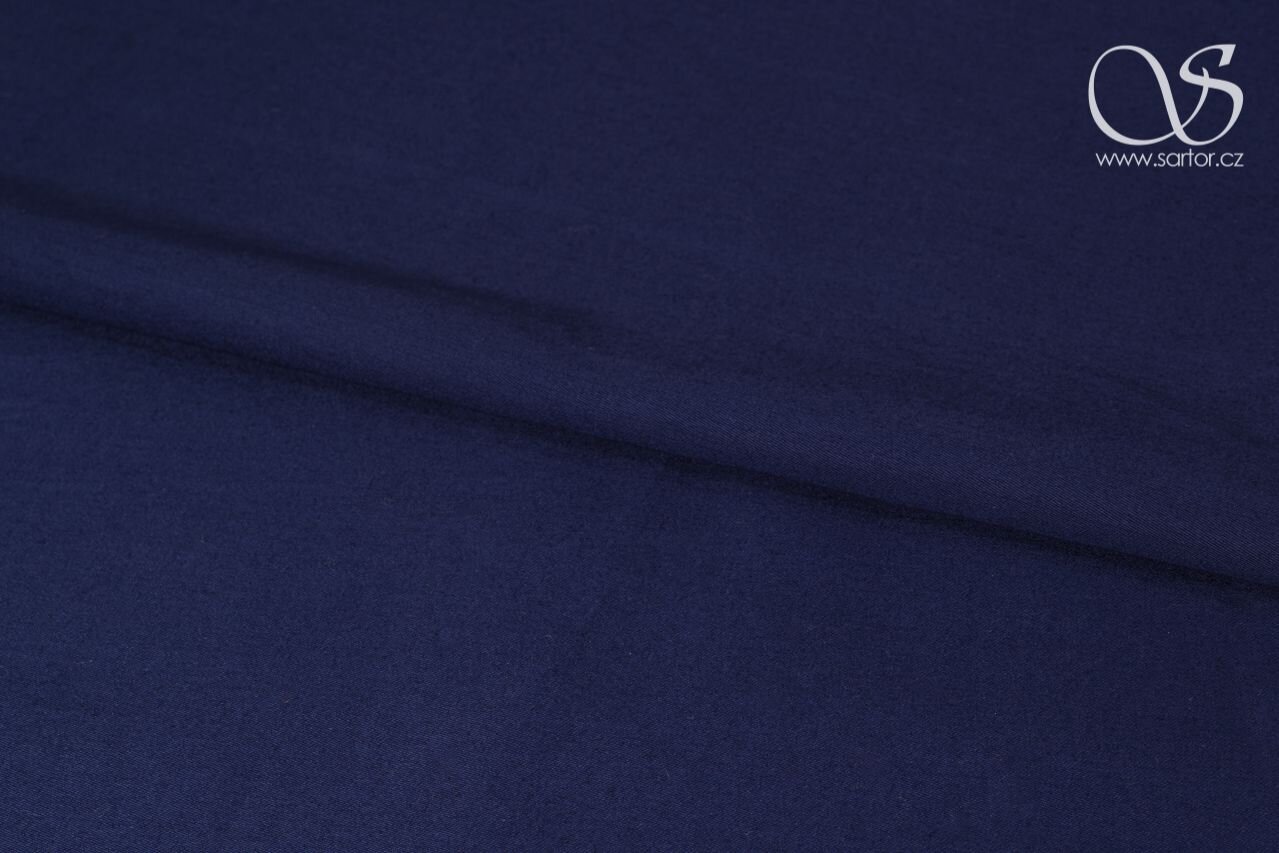


Cotton plain-weave fabric dyed with natural indigo. Perfect for clothing, interior decor, and crafts such as Japanese sashiko stitching.
Read more| Shade: | indigo blue |
| Material: | 100% organic cotton |
| Width (cm): |
146 cm
The useable width you can actually sew with, not including selvedge. |
| Weight (gsm): | 112 gsm |
| Shrinkage: | 1–2 % |
| Care: | |
| Availability: | while supplies last |
on order
Alternative products in the category Sashiko fabric:


Product description
This perfect dark blue organic cotton fabric gets its deep blue color from natural indigo, a traditional plant-based dye that has been used for thousands of years by cultures all over the world.
_x005F_x000D_ _x005F_x000D_Organic cotton
_x005F_x000D_ _x005F_x000D_This fabric is made of GOTS-certified organic cotton, which guarantees responsible production from the cultivation process through fabric finishing.
_x005F_x000D_ _x005F_x000D_Use of indigo fabric
_x005F_x000D_ _x005F_x000D_Sashiko fabric
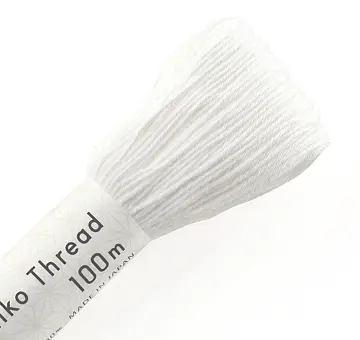
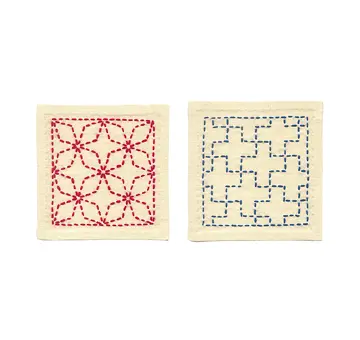
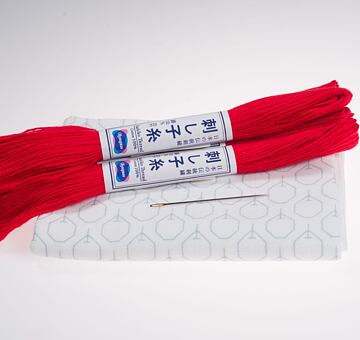
_x005F_x000D_ _x005F_x000D_Indigo fabric like this one has long been used in Japan for sashiko stitching, a traditional craft with humble origins that has gained a growing following in recent years. The intricate, geometrical sashiko patterns were simply an artful way to reinforce and mend clothing. In traditional sashiko patterns the needlework is done with white thread on indigo fabric, though today sashiko mending may incorporate other colors too. Thicker than ordinary cotton thread, sashiko thread requires the use of a special sashiko needle.
_x005F_x000D_ _x005F_x000D_Sewing
_x005F_x000D_ _x005F_x000D_Naturally, this indigo cotton fabric lends itself to a broad range of other uses too. It is beautiful for sewing clothes, from pants and skirts to dresses and tops. It is great in the interior, where it can be used for pillows and other accessories. If you enjoy needlework, try adding sashiko patterns or something of your own design. The dark blue combines well with white, red, light blue, yellow, and natural tones.
_x005F_x000D_ _x005F_x000D_Nature of indigo dyed fabrics
_x005F_x000D_ _x005F_x000D_While this indigo dye is fairly stable – it has been applied professionally with proven techniques – you should always keep in mind that the color will bleed slightly. With indigo garments, treat them as you would a new pair of jeans – wash with similar colors in tepid water without bleach, dry in the shade to prevent fading. If you do sashiko stitching on this fabric with white thread, it will take on some of the blue with the first wash. With sashiko this effect is expected and the “softening” of the bright white thread is considered desirable. If you don’t want this effect for your project, avoid combining indigo-dyed fabric with white (e.g. white collars and cuffs).
_x005F_x000D_ _x005F_x000D_Wash to shrink before sewing. The fabric may be slightly starchy and stiff, and may have a slight gloss, but this will vanish with the first wash.
_x005F_x000D_ _x005F_x000D_About indigo
_x005F_x000D_ _x005F_x000D_Natural indigo dye comes from the indigo plant, which grows in subtropical regions. Indigo is used in many world cultures, with long traditions in Japan, India, and Africa. Jeans were originally dyed with natural indigo back in the early days. Dying with indigo is a sort of alchemy, so it’s best to leave it up to an expert.
Care
Machine wash 30°C. Iron on the cotton setting, with or without steam. The color on this fabric with bleed slightly, wash with like colors. If you plan to embroider this fabric using white thread, we recommend hand washing, as the manufacturer recommends, in soapy water and rinsing thoroughly. Dry in the shade.