🛠️ We are currently experiencing a minor technical glitch and you cannot reach us by phone. Please reach out to us by email. Thank you!

Light merino wool cloth, natural

Product code 101-04-0002

A sturdy, midweight, 100% merino wool fabric. A plain weave with a felt-like, fulled surface for added strength and warmth. Not as heavy as classic broadcloth, perfect for lighter garments.

Read more
Basic parameters
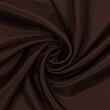
Shade: black
Material: 100% silk
Width (cm): 135 cm

The useable width you can actually sew with, not including selvedge.

Weight (mm): 10 mm
Weight (gsm): 43 gsm
Care:
Availability: while supplies last

out of stock

This product is out of stock for the foreseeable future.

Alternative products in the category Habotai:

Product description

Product description


You can usually recognize wool broadcloth by its distinctive, fulled surface and its heft. This version of the classic, however, is significantly lighter and more versatile. While classic, heavyweight broadcloth is used primarily for historical costuming, this lighter version can make a cozy men’s or ladies’ blazer or an autumn jacket. With its slightly stiff hand, it may not be the best choice for trousers, but it is perfect for a winter skirt or tailored dress. This fabric is popular in the re-enactment community for making historical dresses, tunics, and cloaks.

In terms of weight and range of uses, this fabric is similar to our wool broadcloth in twill weave.
Because this broadcloth is made of pure merino wool it is breathable, it maintains a comfortable microclimate in both winter and summer, it keeps you warm even when it’s wet, and it has wonderful self-cleaning properties. The latter two traits will come in handy at historical re-enactments or LARP events. (Learn more about the history of wool broadcloth in our post on wool fabrics through the ages.)

Merino wool comes from the sheep of the same name and is the finest sheep’s wool in the world. Merino fabrics have a wonderful, soft feel and don’t itch as much as ordinary wool. Unless you have especially sensitive skin, you can comfortably wear merino against bare skin.

It’s a good idea to pre-shrink this fabric with a steam iron before sewing. To ensure you preserve the benefits of wool, choose a quality lining that breathes, such as silk serge.

Care: We recommend dry cleaning this wool fabric at a reliable dry cleaner. You may hand wash or machine wash using the woolens program; use a special detergent for woolens; wash at a low temperature (30°C) with the spin cycle switched off. Do not wash on your machine’s default program and do not use your usual detergent; doing so can cause the fabric to shrink by 30% and thicken significantly. Wool garments do not need to be ironed; simply hang on a good hanger while damp to dry. When sewing, press on the back side using your iron’s wool setting.

Péče

Pro tento hedvábný habutaj v černé barvě doporučujeme chemické čištění v ověřené čistírně. Při našem testu praní hedvábí látka vydržela i jemné praní v ruce. Pokud budete látku na vlastní riziko prát, perte ve vlažné vodě a šetrném pracím přípravku na vlnu; nemačkejte, neždímejte, sušte rozložené na plocho. Žehlete na nejnižší stupeň suchou žehličkou, chraňte před kapkami vody.

FAQ

Do you sell genuine, natural silk?

Yes. Silk is our specialty. All fabrics marked as "silk" in our shop are always made of natural silk. You can rely on the fact that is always natural mulberry silk unless we say otherwise. If it is a different type of natural silk (e.g., wild silk), we will say so. We describe the many types of natural silk in full detail in our post on types of silk.

Can silk be washed?

Washing is generally not recommended for silk – it belongs at the dry cleaners. However, as our big silk wash test has shown, some types of silk fabrics can stand up to a gentle wash program or hand washing without harm if you follow the procedure described. That said, wash silk at your own risk. We definitely recommend testing in advance on a small sample of the fabric – because silk is a natural material it's not 100% predictable. Never use an ordinary laundry detergent – use a special detergent for wool and silk or, if there's no other option, a gentle, silicone-free shampoo. 

Is silk colorfast?

The fabrics in our core inventory, seasonal collections and limited editions are from repeated production cycles that we have quality-tested – given proper care their colors should not bleed. Fabrics that are on offer while supplies last are one-off products that have not been individually tested, so we recommend testing on a sample. Silk may lose some color when washed in water that's too hot or with unsuitable detergent. Always follow the recommended water temperature and use detergents designed for washing silk or wool. Washing silk, though it is often no problem, is always at your own risk. Read more in our post on How to wash silk.

What thread should be used to sew silk?

If you are not going to dye the finished garment, we recommend a high-quality polyester thread for sewing silk. If you want to dye the finished garment, be sure to choose a silk thread (polyester does not take dye). The choice of sewing needle and thread depends on the type and weight of the fabric – for sewing particularly fine fabrics (chiffons, georgettees, light satins, light crepes) a thinner polyester or silk thread and a corresponding thin needle are suitable. Do not use cotton thread to sew silk.

How can I tell if it is natural silk?

Probably the best way to tell is the burn test. Silk burns reluctantly, leaving a black crumb that you can easily crush between your fingers and smells like burnt hair. Be sure to test threads pulled from both the weft and the warp. In addition to the burn test, there are a plenty of other tricks – check out our post on how to tell real silk.

Related articles  (3)

Related articles

How to wash silk

How to wash silk

01.12.2023 Need to know

Can you wash silk? And how? We decided to find out. See our great silk washing test.

Full article
All about silk

All about silk

02.07.2020 Need to know

Silk is an absolute classic, sought after for its beauty and exquisite softness, shunned for its price tag and supposed frailty. But is natural silk really so expensive or so impractical? How many kinds of silk are out there? And what makes silk so utterly irresistible? Let us clear up some questions (and bust some myths) for one of nature’s most intriguing materials.

Full article
Types of silk fabric

Types of silk fabric

19.05.2020 Need to know

How well do you know your silk fabrics? Dupioni, serge, habotai… don’t be dismayed if it sounds like the roster of some pirate ship to you. We’ll help clear away some of the mystery and explain the types of silk fabric and what sets them apart. We’ll cover terminology, characteristics, tricks and tips for sewing, and which projects call for which fabrics. No two silks are the same.

Full article

This product is in the categories

Silk habotai fabrics and pongee silks
sartor newsletter

By registering you agree to the processing of your personal data

News delivered straight to your inbox

Subscribe to our newsletter and stay up to date with everything important. We only send emails when we truly have something worth sharing – just as we would expect ourselves.

Got a question? A dilemma?

+420 777 511 114
support@sartorbohemia.com

Language

Currency