Product description
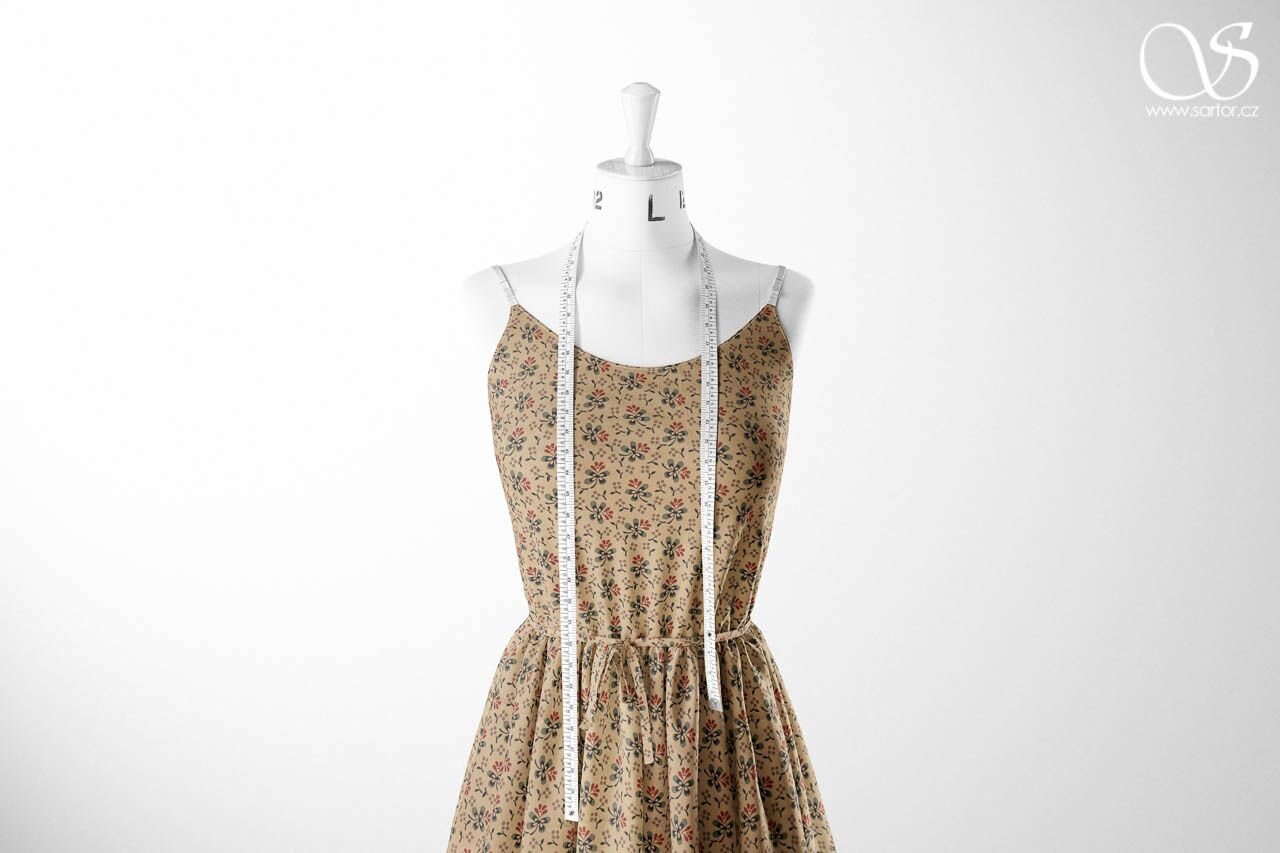
This lightweight premium cotton fabric has an easy-iron finish, making it perfect for dress shirts, blouses, tunics, summer dresses, and casual wear.
This particular type of fabric, known as zephyr, is similar in character to poplin and batiste. Zephyr, however, is lighter than ordinary poplin and heavier than batiste. It has an even, dense weave, which gives it a soft hand, strength, and the ability to hold its shape without shrinkage.
Easy iron
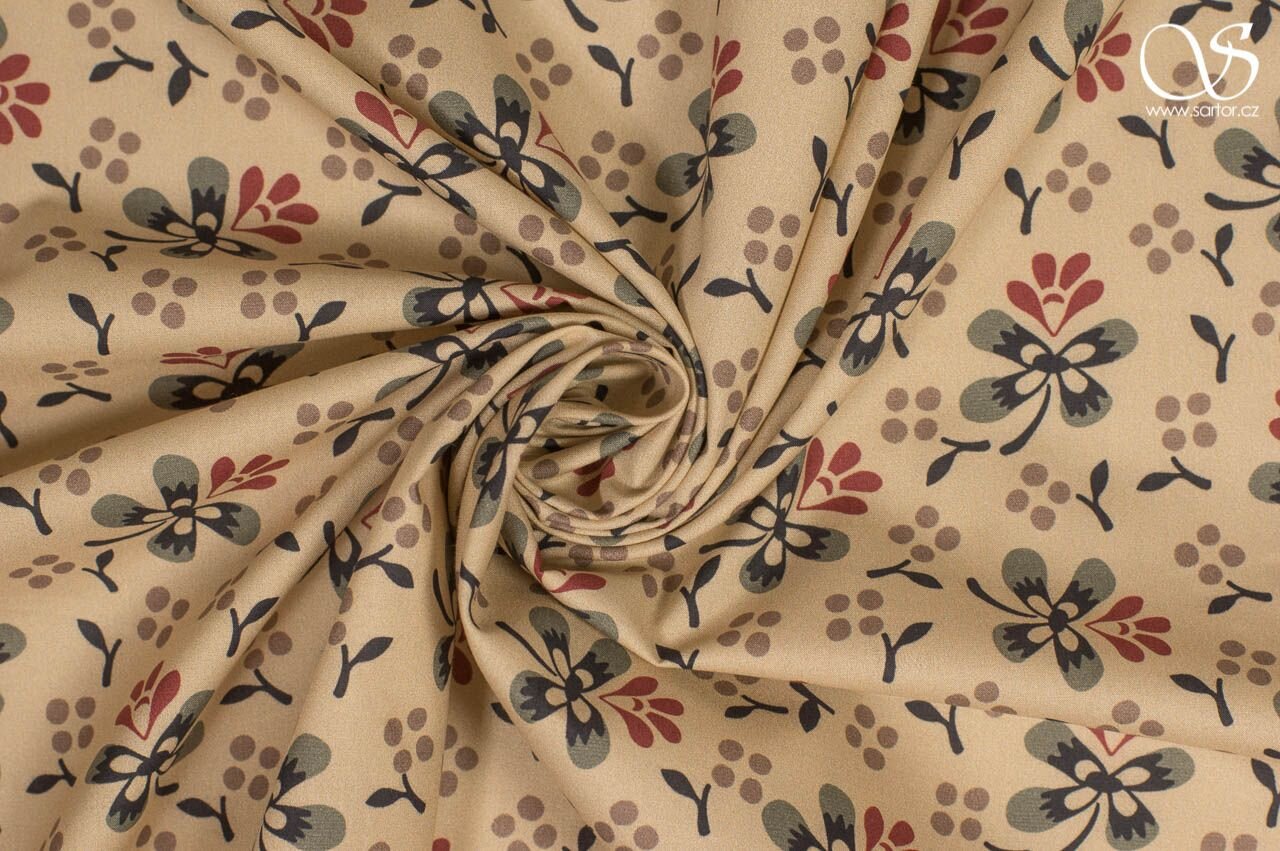
Because this fabric is easy-iron, it’s perfect for use in shirts and blouses. It wrinkles like any other cotton, but is easy to press or steam. Due to its higher thread count and the quality cotton used, it won’t shrink much; nevertheless it’s a good idea to wash it before sewing.
Traditional product
By purchasing this fabric you are supporting European textile traditions. It is printed with the latest technology by a Czech textile printer with a century-long history. If you are looking for a quality print for garment making, not just patchwork, you’ll love this material.
Limited edition
This pattern is part of a limited-edition collection of historical patterns from Sartor Bohemia (all rights reserved) and is produced in limited quantities. Don’t miss your chance to take some home, we may not have it in stock again.
Premium cotton zephyr
- Woven with very fine yarn
- Higher thread count than ordinary cotton fabrics
- Quality cotton does not fray so fabric stays smooth
- Latest printing technology
- Top-quality, colorfast inks
- Easy iron
We recommend this fabric for
- Women’s blouses and shirts
- Men’s lightweight shirts
- Tunics
- Scarves
- Summer dresses and skirts
North Bohemian pattern in Biedermeier style
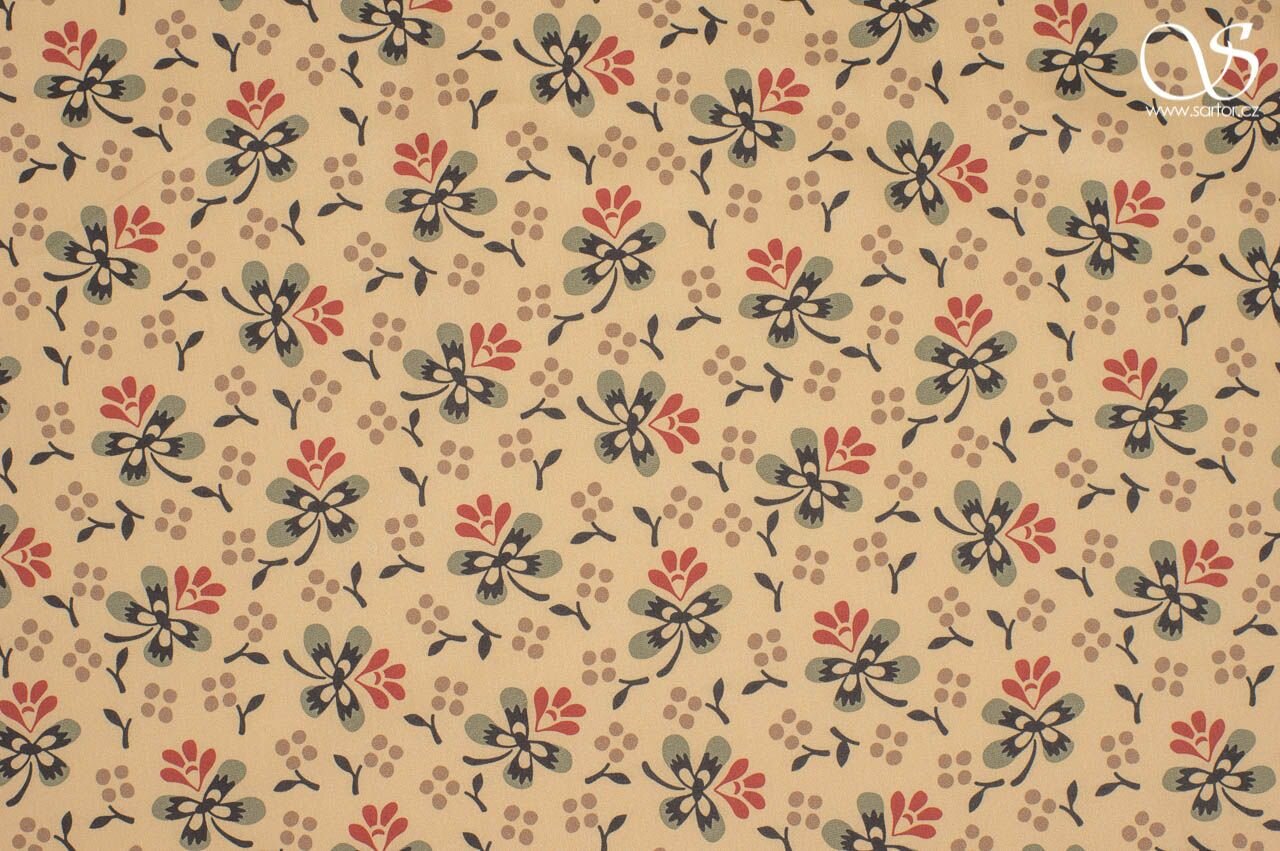
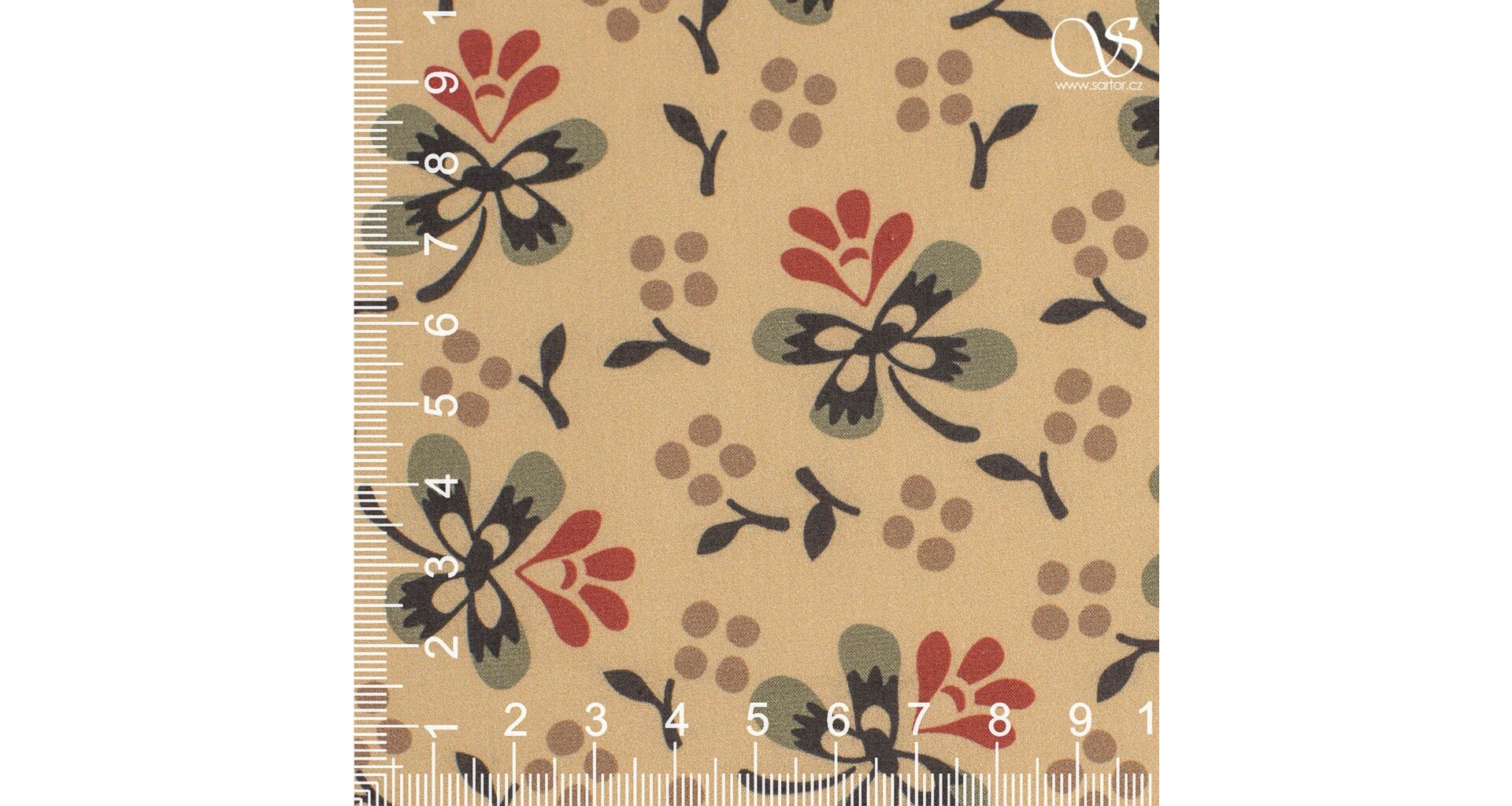
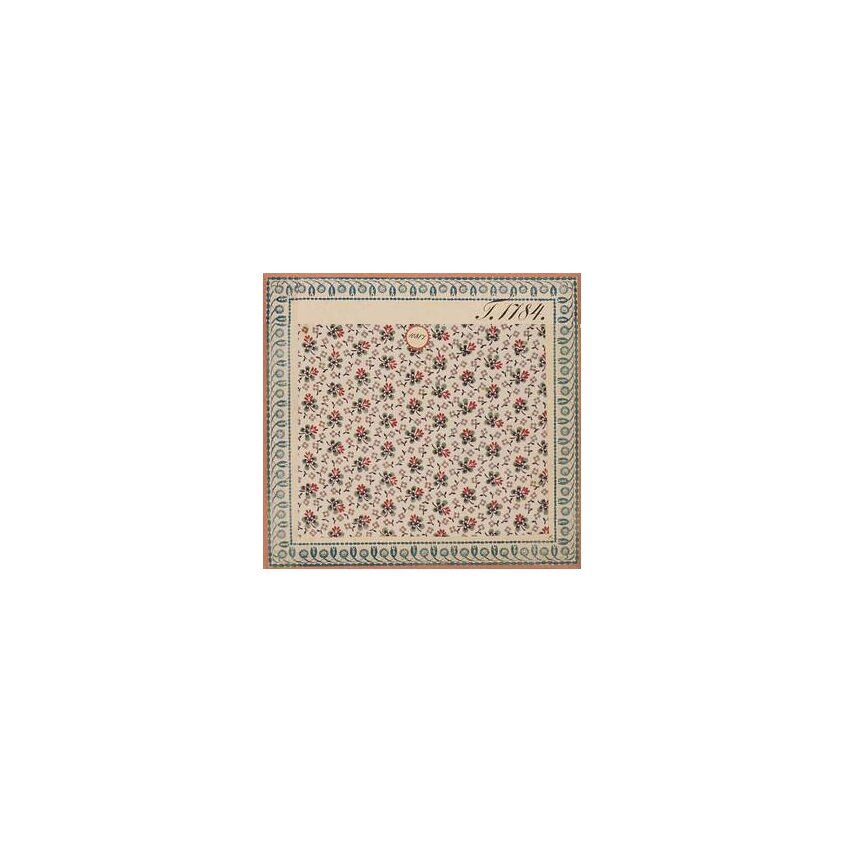
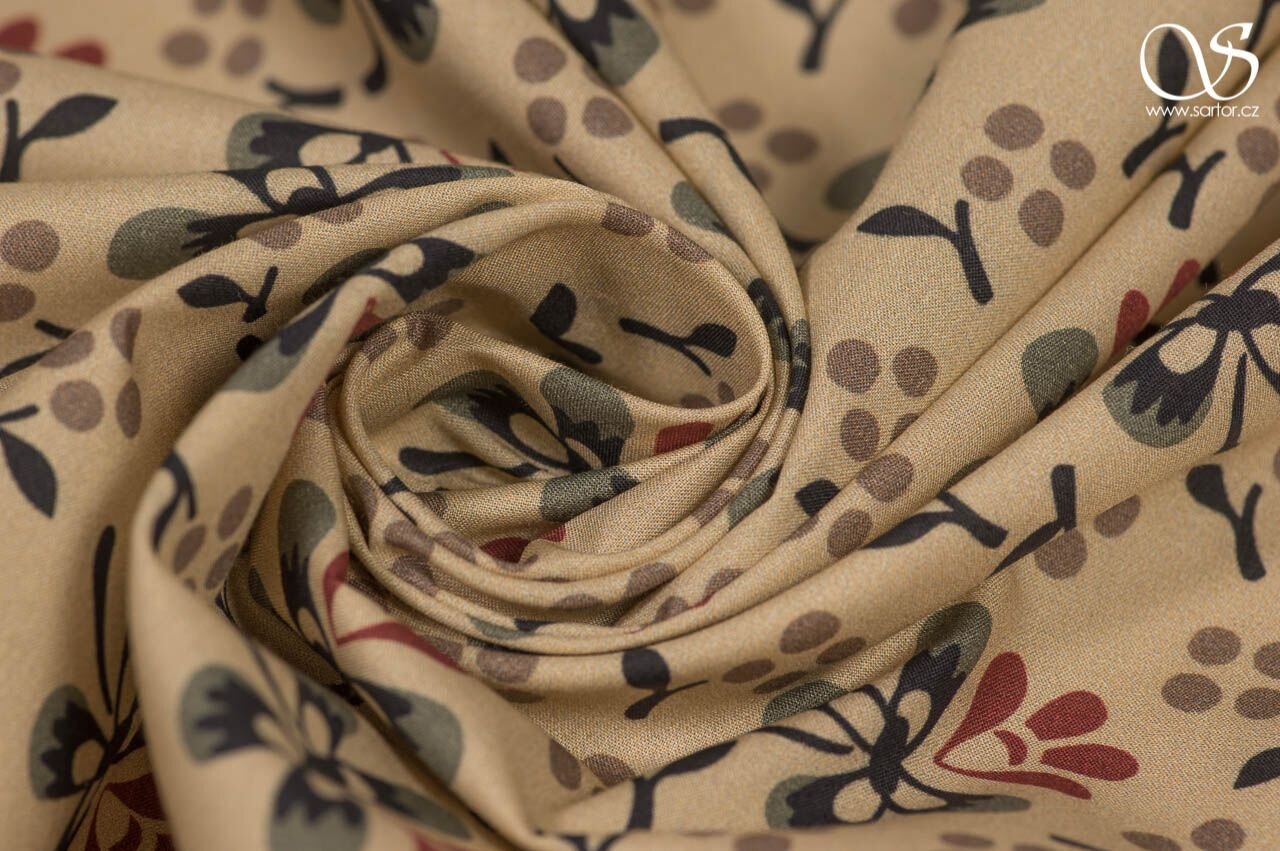
This pretty, stylized floral pattern in neutral colors with red accents against a beige background is tasteful and timeless. Nineteenth-century Biedermeier fashion made heavy use of such motifs, not just in clothing, but also in decorative textiles, elevating the dainty flower print to a sort of universal, romantic pattern. This particular design comes from Eduard Leitenberger’s textile printing works in Zakupy, a village in northern Bohemia, where it appeared in the 1839 sample catalog.
Biedermeier was the dominant decorative style of the respectable middle class in early-to-mid 19th century Vienna and German-speaking central Europe. It derives from the Empire style.
Where you might use Biedermeier prints
- Biedermeier costuming, roughly 1815–1848
- Other 19th century styles, from Regency to Victorian
- Prairie style fashions
- Contemporary design, to introduce a sense of grace, delicacy, and harmony
- Any time you want to make a pretty blouse or dress
Care
Machine wash 40°C. Because this fabric is quite fine, use a lower spin cycle; gentle handling will prolong your fabric’s lifespan. Iron on cotton setting.